





Shipping Containers for Sale Australia

tiger shipping containers australia

Tiger has been Australia’s leading container company for over 30 years. We sell, hire, and modify containers, both new and 2nd hand, in 40ft, 20ft, and 10ft sizes. With delivery available to both companies and individuals alike, right across Australia.

When you call Tiger, you do so safe in the knowledge that you’re dealing with one of the largest wholesalers in Australia. And because we buy in bulk, we are in the enviable position of being able to heavily discount our stock when we sell direct to the public.

Local Depots and Australia-Wide Delivery

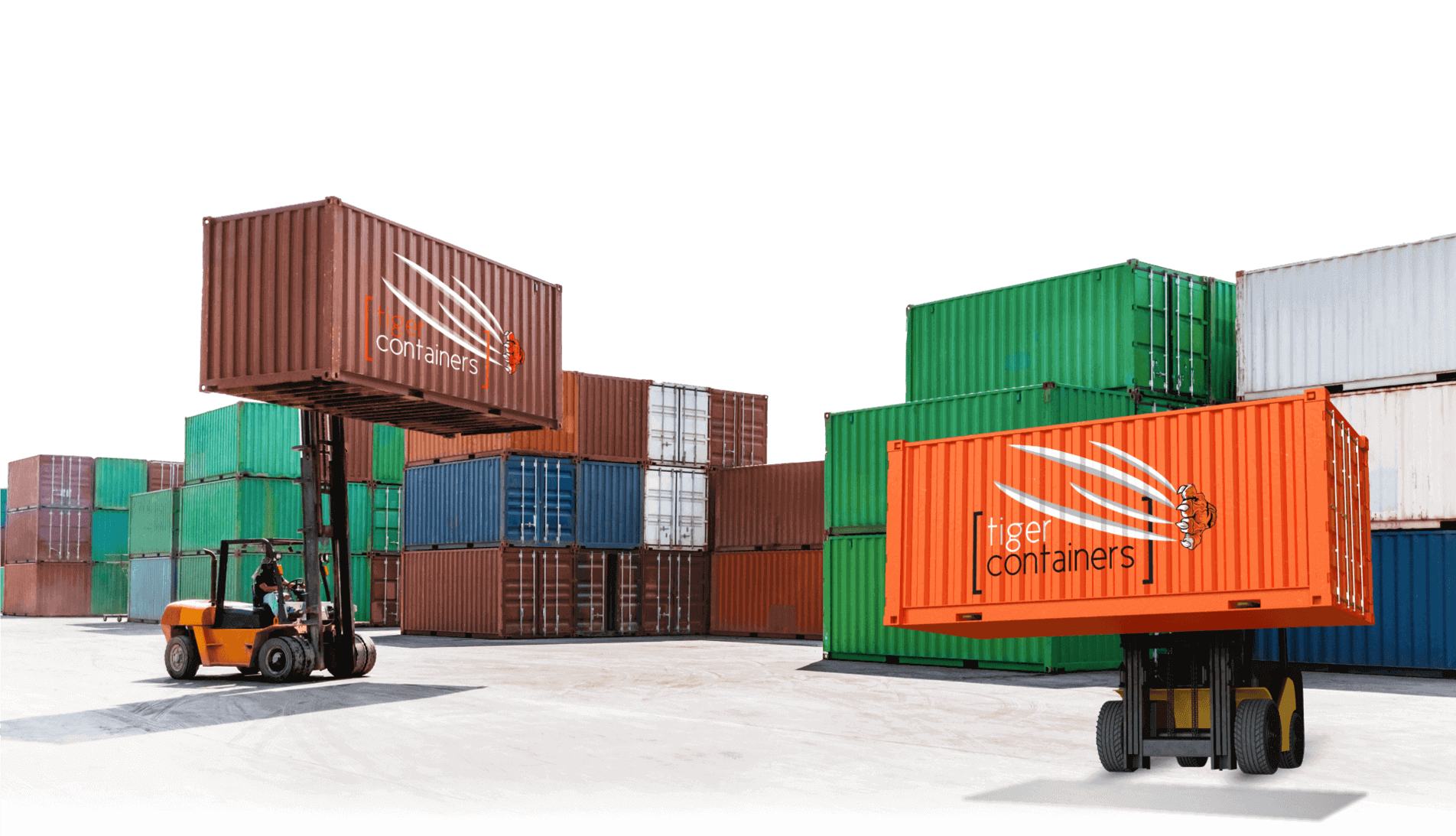
Tiger has multiple local depots around Australia, which allow us to fulfill your order quickly (often within 24 hours) via Tilt Tray, Side-Loader, or Hiab Crane. And with a price-match guarantee, Tiger is the only call you’ll ever have make.

I want to*
Yes, I require delivery outside Australia?

short term hire & RENTAL

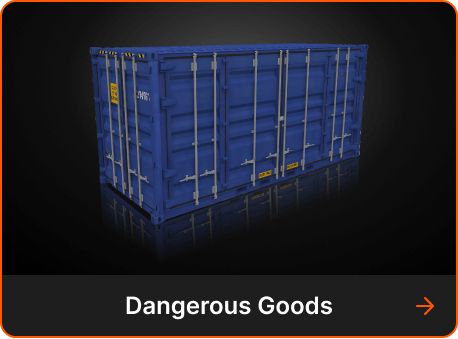
At Tiger we hire and rent new and used general-purpose, refrigerated, high-cube, side-opening and dangerous goods containers in 10ft, 20ft and 40ft sizes. Monthly rental costs start at as little as $130 + GST with NO LOCK-IN CONTRACT.

HIRING VS PURCHASING (THE AGE OLD QUESTION!)

The answer to ‘Should I hire or buy?’ depends on your individual requirements, as there are pros and cons to both. The main benefit to renting is that it costs significantly less than buying outright. The other benefit is that when you rent you don’t have to worry about what to do with the box once you’re finished with it, because we’ll pick it up and take it away free of charge.

NO FIXED CONTRACTS = PEACE OF MIND

Maybe you’re after a 2nd hand 40ft-er to store your boat in for a few months while you secure a new mooring? Or maybe you need a reefer to keep your perishable stock at the desired temperature during the warmer months? Or perhaps you require a high-cube to store your over-sized furniture in during that pesky reno you’ve been putting off? Whatever your specific needs, hiring offers you a flexible solution without a long-term financial commitment.

Australia’s Biggest Brands Trust

tiger shipping containers

So can you

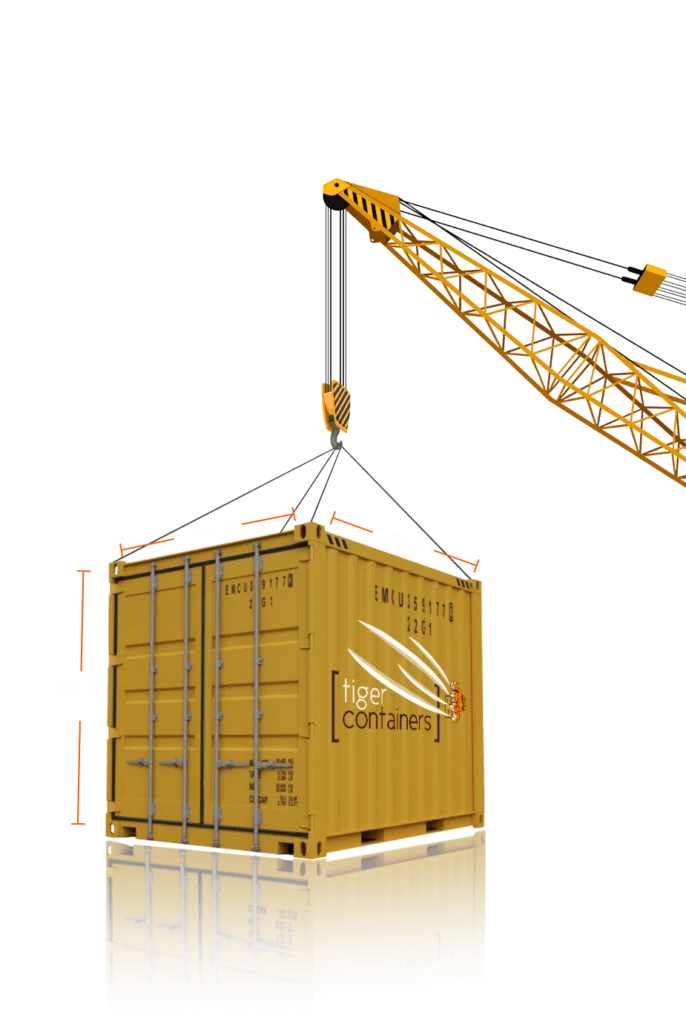
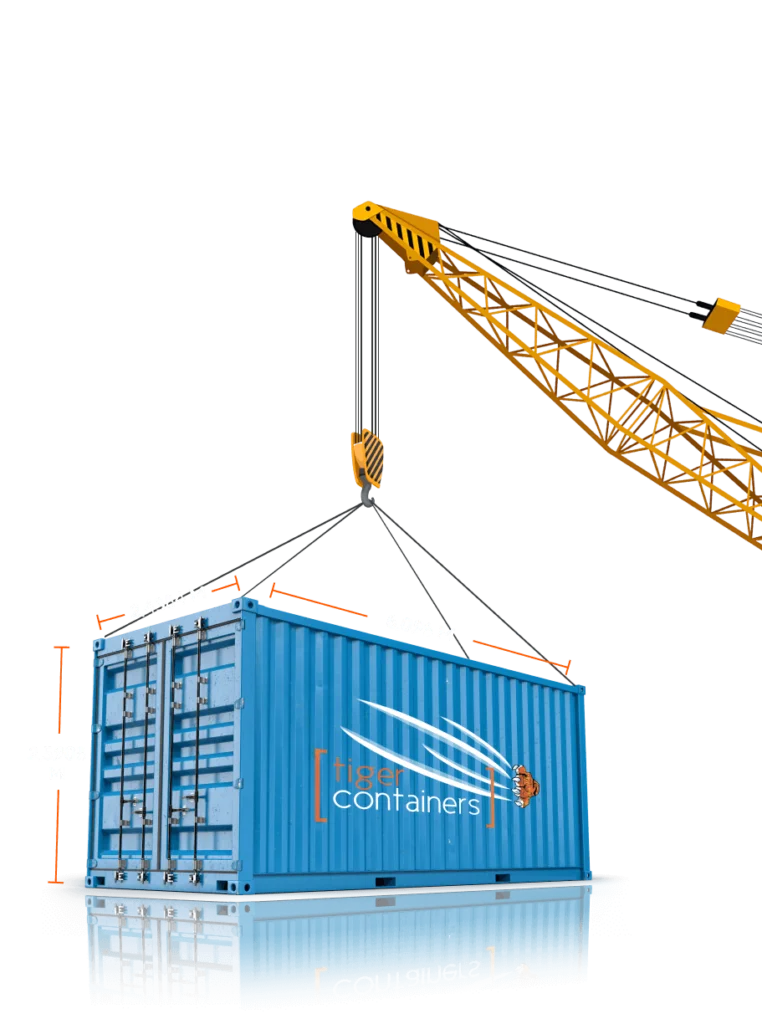
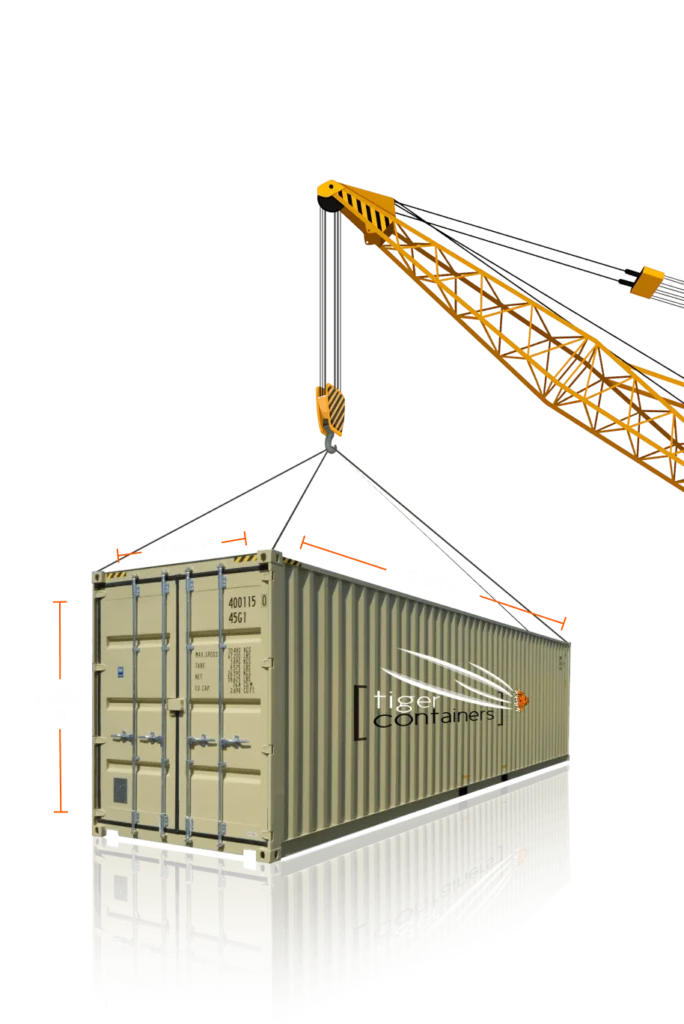
3d view of the Standard sizes available in australia

The sky's the limit when you modify!

Tiger brings over three decades of modification experience to every mod we do. And it’s this wealth of engineering nouse that guarantees that your vision (no matter how complex) gets turned into a reality.

Modified containers, regardless of type, all start out as a standard, general purpose 20ft or 40ft box. We then engage our engineering division to modify them into whatever it is you need them to be. And trust us when we tell you that you are only limited by your imagination.

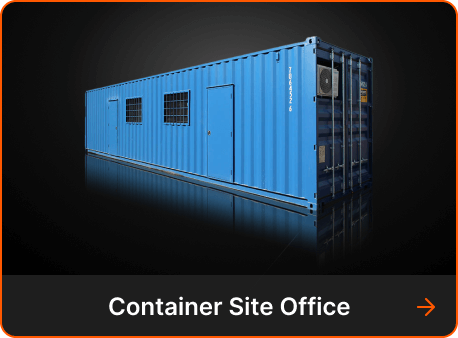
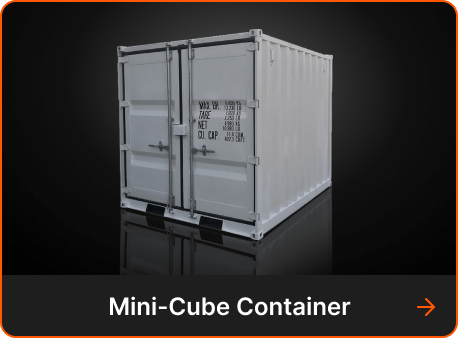
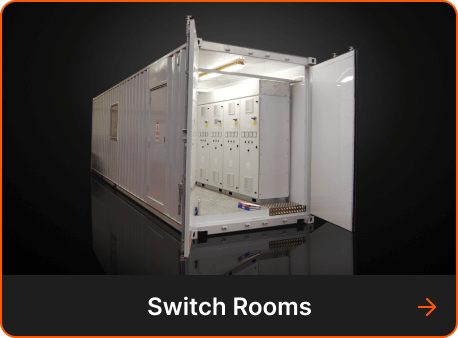
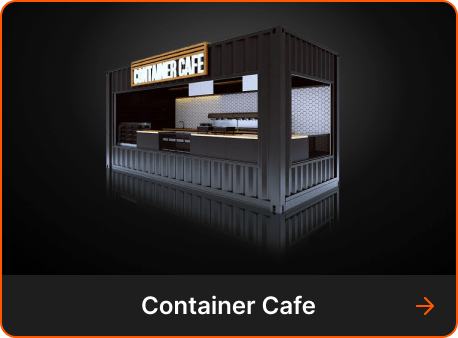
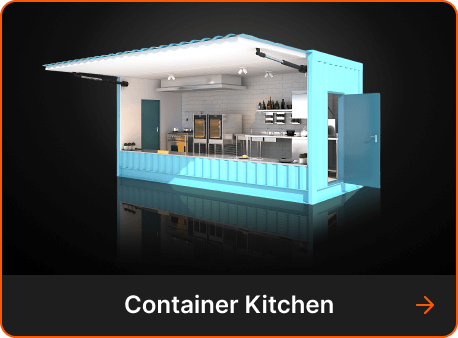
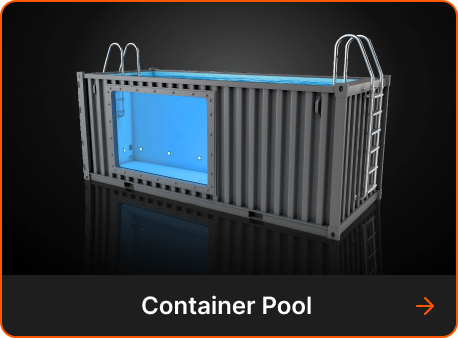
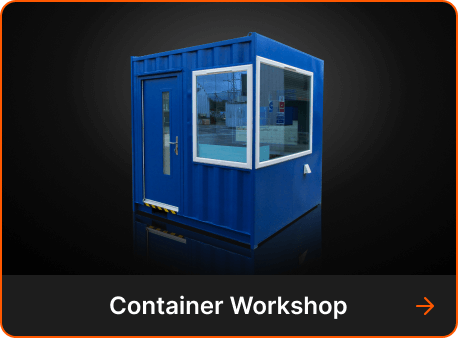
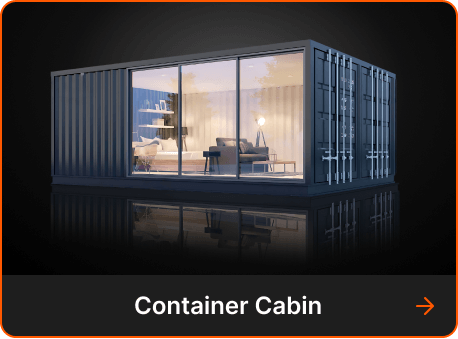
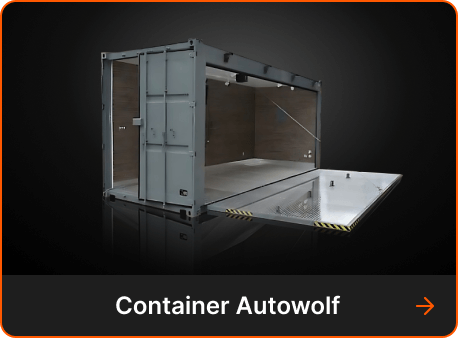
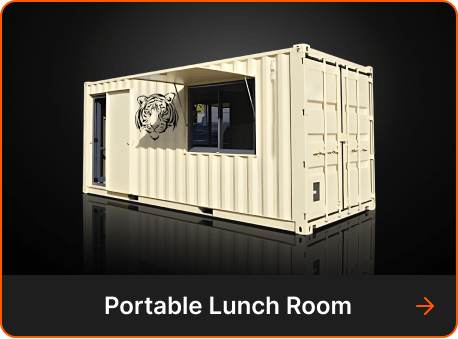
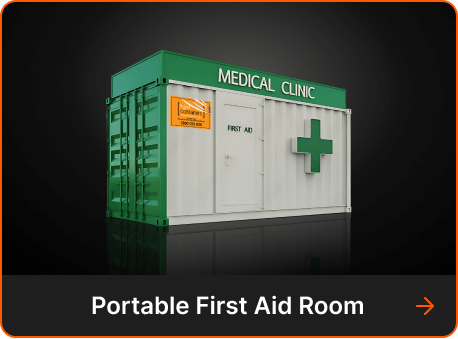
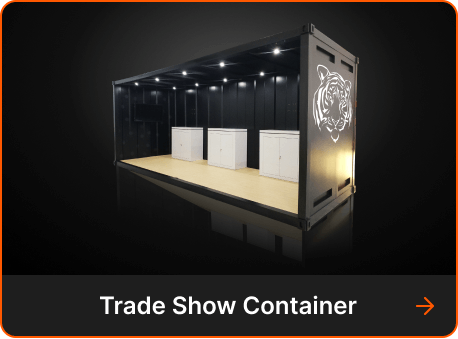
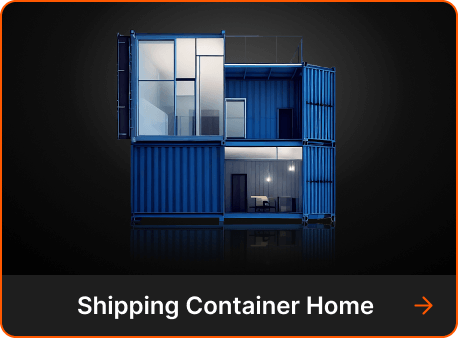
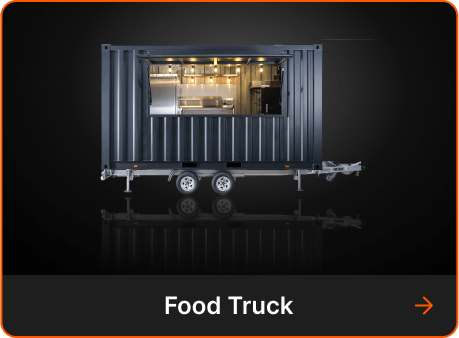
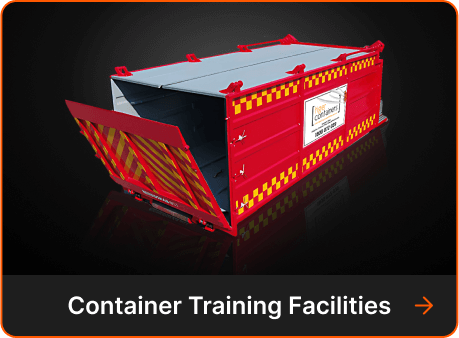
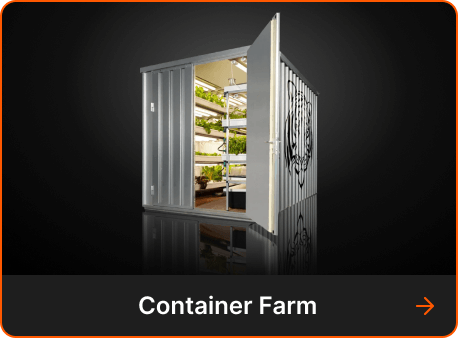
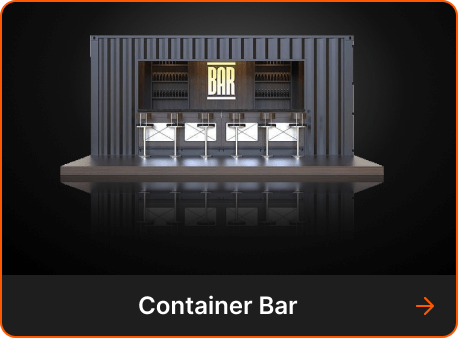
Our mods include pools, bars, shops pop-up cafes, reefers, site offices, ablution units, first aid rooms, trade show displays, kitchens iso tanks, and homes, to name just a few options available to you.

At Tiger we pride ourselves on offering you the best of both worlds: a cost-effective and environmentally friendly engineering solution that can be customised to meet your specific needs, while also providing you with a product that is completely portable and exceptional value for money.

Dimensions (HEIGHT, WEIGHT, LENGTH, CAPACITY)

Frequently Asked Questions

How much does a shipping container cost in Australia?
Shipping containers in Australia typically cost from around $2,000 for a basic used container to $8,500 or more for a new standard container, excluding delivery. Prices vary according to size, condition, age, location and container type, with specialised and modified containers generally costing more.
How much does a 20ft shipping container cost?
A standard 20ft shipping container typically costs around $2,000–$3,500+ in Australia, excluding delivery. Used containers generally cost less than new or single-trip containers, while specialised 20ft models can cost considerably more.
How much does a 40ft shipping container cost?
A 40ft shipping container typically costs around $2,700–$7,500+ in Australia, excluding delivery. Price varies according to age, condition and configuration, with high cube, refrigerated and other specialised 40ft containers generally costing more.
Is it cheaper to buy or hire a shipping container?
Hiring a shipping container is usually cheaper for short-term use, while buying is generally more economical for long-term use. The best option depends on the purchase price, hire rate, delivery and collection costs, and how long the container is required.
What sizes do shipping containers come in?
Common shipping container sizes in Australia include 10ft, 20ft and 40ft containers. Standard ISO containers are approximately 2.44 metres wide and 2.59 metres high, while high cube containers are approximately 2.90 metres high.
What are the dimensions of a 20ft shipping container?
A standard 20ft shipping container measures approximately 6.06 metres long, 2.44 metres wide and 2.59 metres high externally. Internal dimensions are approximately 5.9 × 2.35 × 2.39 metres, providing around 33 cubic metres of capacity.
What are the dimensions of a 40ft shipping container?
A standard 40ft shipping container measures approximately 12.19 metres long, 2.44 metres wide and 2.59 metres high externally. Internal dimensions are approximately 12.03 × 2.35 × 2.39 metres, providing around 67 cubic metres of capacity.
How much can you fit in a 20ft shipping container?
A standard 20ft shipping container provides approximately 33 cubic metres of internal capacity. It can accommodate furniture, household contents, business inventory, tools, equipment and building materials, although practical capacity depends on the size, shape and stackability of the items.
How much can you fit in a 40ft shipping container?
A standard 40ft shipping container provides approximately 67 cubic metres of internal capacity, roughly twice that of a standard 20ft container. A 40ft high cube provides approximately 76 cubic metres.
What is the difference between a standard and a high cube shipping container?
The main difference is height. A standard shipping container is approximately 2.59 metres high externally, while a high cube is approximately 2.90 metres high, providing about 30 centimetres of additional height and greater internal capacity.
Should I buy a new or used shipping container?
Buy a new container if appearance, condition and maximum remaining lifespan are priorities. Buy a used container if lower cost is more important and cosmetic wear such as dents, scratches or surface rust is acceptable.
What should I look for when buying a used shipping container?
Check a used shipping container’s structural integrity, roof, walls, floor, doors, seals and corrosion. Doors should operate correctly and the container should be free from significant holes, structural distortion or water ingress.
How long do shipping containers last?
A well-maintained shipping container can remain useful for 20 years or considerably longer. Its lifespan depends on its original condition, environment, maintenance and exposure to moisture, salt and corrosion.
Are shipping containers waterproof and weatherproof?
Shipping containers in sound condition are designed to be wind and watertight, protecting cargo from normal rain and weather exposure. Older or damaged containers may develop leaks through corrosion, holes, damaged seals or previous repairs.
Are shipping containers secure?
Yes. Shipping containers provide strong, secure steel storage with heavy-duty cargo doors. Security can be increased further with lock boxes, high-security padlocks, alarms, CCTV and other access-control systems.
Do shipping containers get hot inside?
Yes. Uninsulated shipping containers can become very hot in direct sunlight, particularly during Australian summers. Insulation, ventilation, extraction systems, reflective coatings, shade and air conditioning can be used to control internal temperatures.
How do you prevent condensation inside a shipping container?
Shipping container condensation can be reduced using ventilation, insulation, moisture absorbers and dehumidification. Keeping the container well ventilated, properly drained and free from wet materials also helps prevent moisture accumulating inside.
Do I need council approval to put a shipping container on my property?
Council approval may be required, depending on the container’s location, intended use, duration and local planning rules. Requirements vary between Australian councils, so property owners should check with their relevant local authority before permanently installing or modifying a container.
Can I put a shipping container in my backyard?

A shipping container can often be placed in a backyard provided there is suitable access and its placement complies with local council and planning requirements. Rules can vary according to zoning, setbacks, intended use and how long the container will remain on the property.

What foundations or footings does a shipping container need?
A shipping container requires a firm, level and well-drained base. Depending on the site and intended use, this can include concrete pads, concrete piers or engineered footings, with the container typically supported at its structural corner castings.
How are shipping containers delivered?
Shipping containers are commonly delivered using tilt-tray, side-loader or crane-equipped trucks. The appropriate delivery method depends on container size, site access, ground conditions and where the container needs to be positioned.
How much space is required to deliver a shipping container?
Required delivery space depends on the container size, truck type and unloading method. Tilt-tray trucks require substantial straight-line clearance, while side-loaders and cranes have different requirements. Powerlines, trees, gates, buildings and soft ground can also restrict access.
Can shipping containers be modified?
Yes. Shipping containers can be modified with doors, windows, ventilation, insulation, electricity, lighting, air conditioning, shelving, roller doors, plumbing and security systems. They can also be converted into offices, workshops and other specialised spaces.
What can shipping containers be used for?
Shipping containers can be used for freight, storage, workshops, site offices, equipment rooms, portable buildings, retail spaces and specialised commercial or industrial applications. They can also be extensively modified for specific purposes.
How much does it cost to buy a shipping container?
Buying a shipping container in Australia generally costs around $2,000 for a basic used container to $7,500 or more for a new standard unit, excluding delivery. Specialised and modified containers can cost substantially more.
How much does it cost to hire a shipping container?
Shipping container hire in Australia can start at approximately $20–$40 per week for common standard sizes, with delivery and collection generally charged separately. Rates vary according to container size, type, location and hire period.
How much does a used shipping container cost?
Used standard shipping containers in Australia typically cost around $2,000–$3,700 for common 20ft and 40ft sizes, excluding delivery. Price depends on size, age, grade, structural condition, appearance, location and availability.
How much does a new shipping container cost?
A new or single-trip standard shipping container in Australia generally costs around $3,200–$7,500+, excluding delivery. Price varies primarily according to size, configuration and location, while specialised containers can cost considerably more.
How much does a 10ft shipping container cost?
A standard 10ft shipping container can typically cost around $4,500–$7,500 in Australia, excluding delivery. Despite being smaller than a 20ft container, 10ft units can have relatively high prices because they are less common.
How much does a high cube shipping container cost?
A high cube container generally costs more than an equivalent standard-height container. As a market guide, standard 40ft high cubes can range from roughly $2,900 for used units to around $6,500+ for new units, excluding delivery.
How much does shipping container delivery cost?
Shipping container delivery in Australia can start from several hundred dollars, but there is no universal delivery price. Cost depends on distance, container size, truck type, unloading method, accessibility and site conditions.
What factors affect the price of a shipping container?
Shipping container prices are primarily affected by size, type, age, condition, grade, location, availability and modifications. Delivery distance, international freight conditions, exchange rates and global container supply can also influence Australian prices.
Why do shipping container prices vary so much?
Shipping container prices vary because containers differ in size, age, condition, grade, configuration, location and availability. New and specialised containers generally command higher prices, while freight costs and market supply can also affect pricing.
Is it cheaper to buy a new or used shipping container?
Used shipping containers are normally cheaper than new or single-trip containers. New containers cost more but generally offer better cosmetic condition, less wear and a longer remaining service life.
Is it cheaper to buy one 40ft shipping container or two 20ft containers?
One 40ft container is generally cheaper than two comparable 20ft containers and usually provides better value per cubic metre. Two 20ft containers, however, provide greater flexibility in positioning and separating stored goods.
How much does it cost to modify a shipping container?

Shipping container modifications can cost from hundreds of dollars for simple additions to tens of thousands for complex conversions. Cost depends on the modifications, materials, labour, electrical or plumbing work, structural alterations and engineering required.

What is a refrigerated shipping container or reefer container?
A refrigerated shipping container, or reefer, is an insulated container with an active refrigeration system. Reefers are designed to transport or store temperature-sensitive products such as food and pharmaceuticals at controlled temperatures.
How does a reefer shipping container work?
A reefer container uses an integrated refrigeration system and fans to circulate temperature-controlled air around its cargo. It requires a suitable electrical power supply and maintains the internal environment at a selected temperature set point.
What is a high cube shipping container?

A high cube shipping container is approximately 30 centimetres taller than a standard container. High cubes are around 2.90 metres high externally and provide additional internal capacity and headroom for bulky goods, equipment and container modifications.

What is the difference between a high cube and a standard shipping container?

A high cube is approximately 30 centimetres taller than an equivalent standard shipping container. Standard containers are around 2.59 metres high externally, while high cubes are approximately 2.90 metres high, providing greater internal capacity.

What is an insulated shipping container?

An insulated shipping container uses thermal insulation to reduce heat transfer between its interior and the external environment. Insulation helps moderate temperature fluctuations and can reduce heat gain, heat loss and condensation.

What is the difference between an insulated container and a refrigerated container?

An insulated container slows heat transfer, while a refrigerated or reefer container actively controls temperature using powered refrigeration equipment. Reefers are therefore better suited to goods requiring continuous temperature-controlled storage.

What is an ISO tank container?

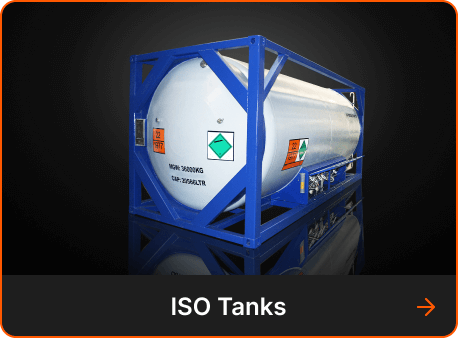
An ISO tank container is a cylindrical tank mounted within a standardised steel frame for intermodal transport of bulk liquids, gases or powders. Its ISO-compatible frame allows transportation by ship, rail and road.

What are ISO tank containers used for?

ISO tank containers are used to transport bulk liquids, gases and certain powders by road, rail and sea. Depending on their specifications, they can carry food-grade liquids, oils, chemicals, fuels, liquefied gases and other industrial products.

What is an open top shipping container?

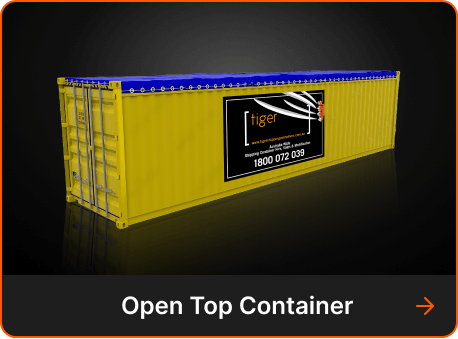
An open top shipping container has a removable roof covering that allows cargo to be loaded from above. It is commonly used for tall, bulky or heavy goods that cannot easily be loaded through standard container doors.

What is a flat rack shipping container?
A flat rack shipping container is designed for oversized, heavy or irregularly shaped cargo. It typically has a reinforced floor and end structures but no conventional roof or full-length side walls, allowing oversized freight to be loaded and secured.
What is the difference between a flat rack and an open top container?

An open top container has conventional side walls but no permanent roof, while a flat rack has no roof or full-length side walls. Open tops suit tall cargo; flat racks are generally used for oversized, wide, heavy or irregular freight.

What is a side-opening shipping container?

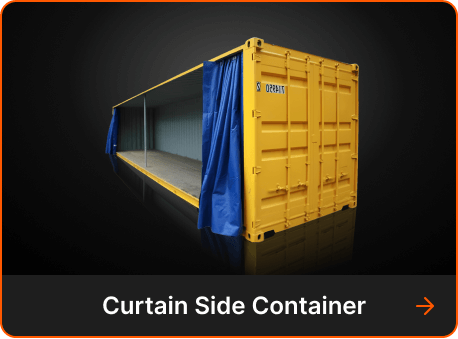
A side-opening shipping container has cargo doors along one of its long sides, providing much wider access than conventional end-opening containers. This makes loading pallets, machinery, equipment and bulky goods easier and also suits many modified-container applications.

ThE EVOLUTION OF the humble CONTAINER

There are many different types of containers available on the market today, and an infinite amount of modifications. But all of them start out as a standard 40ft or 20ft ‘Intermodal Boxes’ due to the need for freight to conform to ISO (International Organization for Standardisation) regulations.

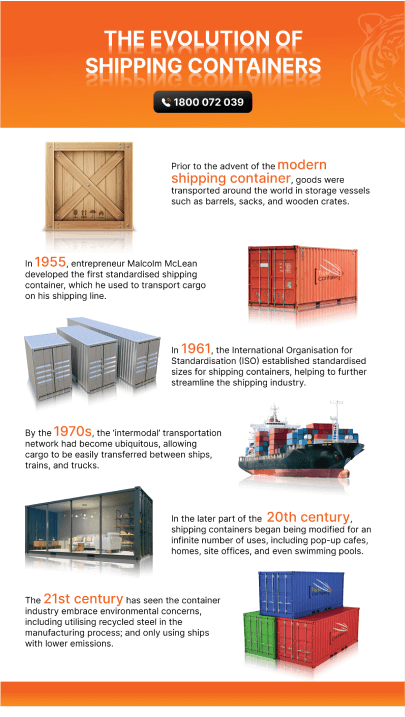
The modern ‘Intermodal Box’ (sometimes called a ‘Conex Box’) was invented in 1955 by former trucking company owner Malcolm Mclean with the help of engineer Keith Tantlinger, and was 8ft tall, by 8ft wide, by 10ft long unit. The unit’s design, much just like current designs, incorporated a twist lock mechanism on all corners for secure attachment when stacking. The patents for this design were very generously donated to the world at large, and thus began the standardisation of sizes the world over.

The advent of standardised sizes dramatically reduced transport costs and supported the boom in international trade after World War II. In a very real sense it was the world’s conformity to ISO that fueled globalisation as we know it today, as it eliminated the manual sorting of cargos and reduced reliance on warehousing. As a result, congestion was reduced at all major ports around the world, transportation times were shortened, and losses from theft and damage were significantly reduced. 

Over the years, two sizes of boxes have become ubiquitous: the 20ft and the 40ft. These are by far the most common in international trade. The 10ft container is also used worldwide but is not as common as the other two sizes, as it has to be ‘cut down’ from a larger box.

CONTAINER TYPES EXPLAINED

When it comes to choosing the right box, it is vital you make an informed decision prior to purchasing (or hiring). But with so many types available, how do you know which is suitable for your specific needs?

Well, we’re glad you asked! Because the following boxes are a cross-section of the most common types available in Australia, to help you choose wisely.

General Purpose – The Box to End All Boxes: This is the most common type of ‘Intermodal Box’ available. These are the ones you’ve seen a thousand times, either in person and in the movies. They generally come in 20ft and 40ft sizes, and have two doors at one end, and provide ample space to load and unload regular sized cargo.

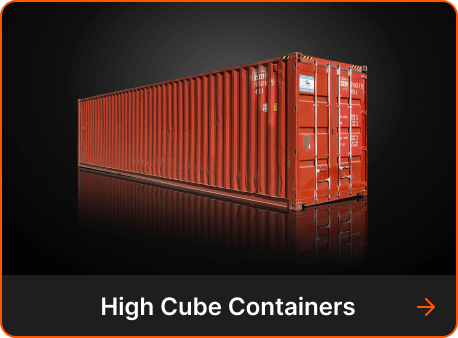
High Cube – The Tall Option: This is taller than a normal box by about 1 foot (0.3m), thus making it ideal for storing and transporting awkwardly shaped cargo. This extra height may not sound like much, but you’ll be surprised at how handy it is when loading and unloading!

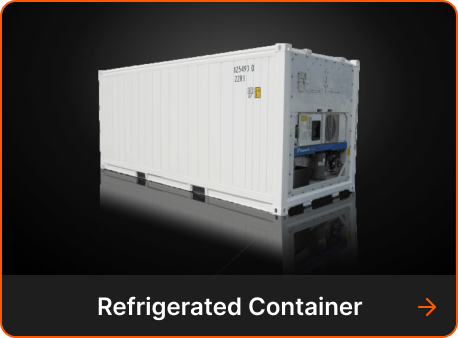
Reefers – When Cold Isn’t Cold Enough: This is a General Purpose box which has been modified to have refrigerated units and insulation installed to keep the temperature nice and frosty. It’s ideal for storing and transporting food, flowers, pharmaceutical supplies, etc.

Insulated – Too Cool for School: This is essentially a decommissioned Reefer that no longer has the refrigerated unit power it, but still has the insulation.

Flat Rack – When Big Isn’t Big Enough: These boxes don’t have a roof at all, and only have two sides on the short ends. This makes them ideal for transporting oversized items such as heavy machinery.

Side Opening – The Ideal Way to Load and Unload Your Cargo: This has one long side that can fully opened, providing extra loading space and easier access. This makes ideal if you need to get to your goods on a regular basis, or else if you need to store or transport something that won’t fit through normal doors.

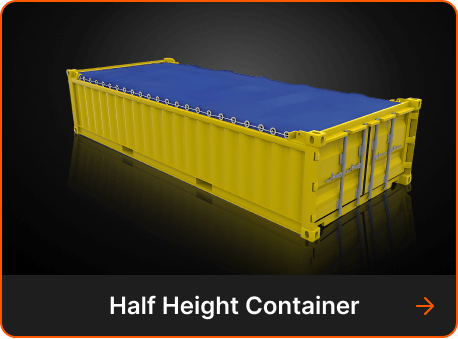
Open Top – Load and Unload from Above: This is basically a standard General Purpose box, but instead of a roof it has a removable canvass or tarpaulin covering instead. This provides versatility for transporting goods of different sizes, while still offering solid steel protection from all sides.

new or 2nd hand - which is better?

When it comes to this industry there is no such thing as ‘new.’ Not in a real sense. This is because every box sold as ‘new’ in Australia has already had a ‘single use.’ The reason for this is simple: commerce. The boxes are all made in China. And to buy something that weights 3,500 kgs (or more) and get it transported to Australia, sans cargo, would cost an absolute fortune. And you, the consumer, would never stomach the cost, and would accuse us of daylight robbery! This is why every ‘new’ box gets shipped to Australia full of cargo. Just once. Then, when it’s unloaded, Tiger can sell it to customers at a much cheaper price. And even though it’s technically had a ‘single use,’ it is still, in a very real sense, ‘new.’ Because all ‘new’ boxes have to be in perfect condition when we sell them. And if they’re not in perfect condition, due to some mishap at sea, or while unloading, then we advertise them as ‘2nd hand.’

Second hand boxes are of course much cheaper than new ones (like, d’uh!). However, be aware that they’re likely to have undergone multiple sea journeys, and have had multiple owners, and will have the bumps and scrapes and dents to prove it. So when buying second hand it’s important to ask: ‘Is it sea-worthy?’, because some (older) 2nd hand boxes might have rust or significant damage due to wear-and-tear or age, and thus not be suitable for transportation. They will however be just fine for storing your bits and bobs in them at the end of your garden. Just remember that in all things, you get what you pay for. So if a company is offering stock that cost next to nothing, you’re going to end up with something sub-par for your needs.

CALL tIGER TODAY - YOUR BACK POCKET WILL BE GLAD YOU DID!

No client is too big or too small for Tiger. In fact, over the 30 plus years we’ve been in business, we’ve supplied new and used stock to everyone from individuals and small businesses, right on up to local councils, major construction companies, mining conglomerates, energy companies, international airlines, and state and federal government departments. We have major depots all around the country that are overflowing with stock, we pride ourself on our levels of customer service, and we offer a price match guarantee.